We use essential cookies to keep the site working and remember your preferences. Privacy Policy

VERA
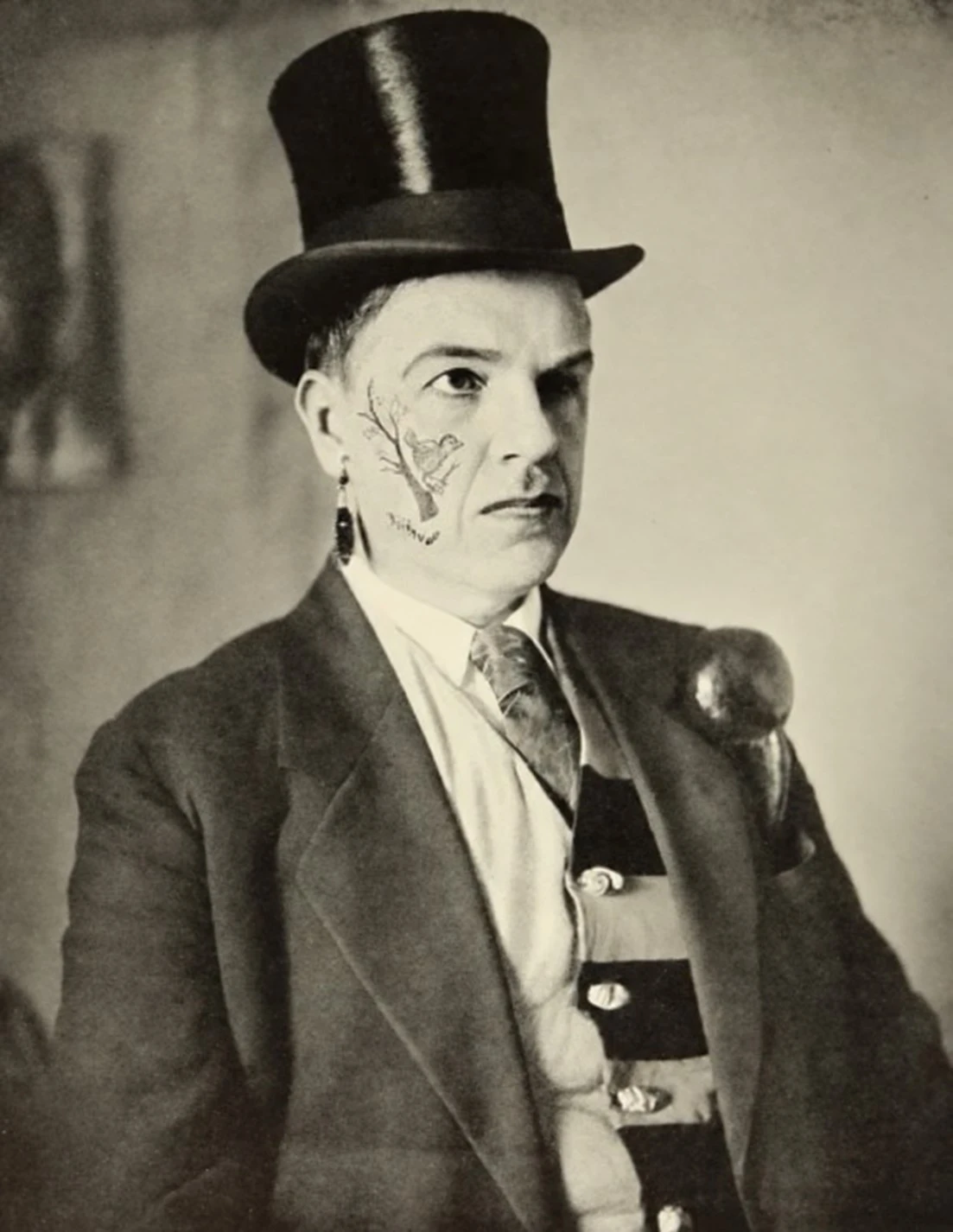
Portrait of David Burliuk

David Burliuk was a world-renowned Ukrainian-American artist, poet, critic, and art theorist who entered the history of modernism as the “father of Russian Futurism” and one of the key figures of the twentieth-century international avant-garde.

Born in the Sumy region of present-day Ukraine and descended from a family with deep Cossack roots, Burliuk maintained a profound connection to Ukrainian culture throughout his life. The Ukrainian steppe, Cossack history, archaic imagery, and vernacular culture became enduring sources of his artistic vocabulary, merging in his work with the radical innovations of European modernism.

Possessed of extraordinary energy and a remarkable talent for organization, Burliuk became one of the principal catalysts of the avant-garde movement of his generation. He was among the founders of the Futurist group Hylaea, was actively involved with the Jack of Diamonds circle, participated in the organization of the landmark Link exhibition in Kyiv in 1908, and played an important role in the early career of Vladimir Mayakovsky, being among the first to recognize and support the young poet’s talent.

In 1912, Burliuk became one of the initiators and co-authors of the provocative manifesto A Slap in the Face of Public Taste, one of the defining documents of Russian Futurism. Through exhibitions, publications, lectures, public performances, and Futurist tours, he played an exceptional role in shaping and promoting the new avant-garde art of the early twentieth century.

Burliuk’s artistic language, shaped through his studies at the Odesa Art School and his experiences in Munich, Paris, and other European artistic centers, underwent a remarkable evolution — from Impressionism and Post-Impressionism to Cubo-Futurism, Expressionism, and Neo-Primitivism. Throughout these transformations, his painting retained its distinctive intensity of color, vigorous brushwork, and characteristically dense, richly impastoed surfaces.

During the years of revolution and civil war, Burliuk travelled across Siberia and the Russian Far East before living in Japan from 1920 to 1922. There he produced hundreds of works, organized exhibitions, lectured, and actively promoted Futurism and modern art, becoming a notable figure in the cultural exchange between the Japanese art world and the European and Eastern European avant-garde.

In 1922, Burliuk moved to the United States, where he spent the final forty-five years of his life. In America he continued to paint, exhibit, travel, write, and publish, becoming an integral presence in the country’s artistic life. Together with his wife Marussia, he published the art and literary journal Color and Rhyme, which brought together poetry, memoirs, criticism, and writing on contemporary art.

David Burliuk left behind an exceptionally extensive and diverse body of work encompassing painting, drawing, poetry, art criticism, publishing, and performance. His life and career — extending from Ukraine and the major centers of the European avant-garde to Japan and the United States — made him a singular transnational figure in the history of twentieth-century modernism.

Today, David Burliuk holds an established place in the history of the international avant-garde and in the global art market. His works regularly appear at major international auction houses, including Sotheby’s and Christie’s, and are represented in leading museum collections worldwide, including The Museum of Modern Art (MoMA), the Whitney Museum of American Art, and The Metropolitan Museum of Art in New York, as well as the Hirshhorn Museum and Sculpture Garden in Washington, D.C.
About the artist

David Burliuk

1882-1967, Ukraine / USA

David Burliuk was a world-renowned Ukrainian-American artist, poet, critic, and art theorist who entered the history of modernism as the “father of Russian Futurism” and one of the key figures of the twentieth-century international avant-garde.

Born in the Sumy region of present-day Ukraine and descended from a family with deep Cossack roots, Burliuk maintained a profound connection to Ukrainian culture throughout his life. The Ukrainian steppe, Cossack history, archaic imagery, and vernacular culture became enduring sources of his artistic vocabulary, merging in his work with the radical innovations of European modernism.

Possessed of extraordinary energy and a remarkable talent for organization, Burliuk became one of the principal catalysts of the avant-garde movement of his generation. He was among the founders of the Futurist group Hylaea, was actively involved with the Jack of Diamonds circle, participated in the organization of the landmark Link exhibition in Kyiv in 1908, and played an important role in the early career of Vladimir Mayakovsky, being among the first to recognize and support the young poet’s talent.

In 1912, Burliuk became one of the initiators and co-authors of the provocative manifesto A Slap in the Face of Public Taste, one of the defining documents of Russian Futurism. Through exhibitions, publications, lectures, public performances, and Futurist tours, he played an exceptional role in shaping and promoting the new avant-garde art of the early twentieth century.

Burliuk’s artistic language, shaped through his studies at the Odesa Art School and his experiences in Munich, Paris, and other European artistic centers, underwent a remarkable evolution — from Impressionism and Post-Impressionism to Cubo-Futurism, Expressionism, and Neo-Primitivism. Throughout these transformations, his painting retained its distinctive intensity of color, vigorous brushwork, and characteristically dense, richly impastoed surfaces.

During the years of revolution and civil war, Burliuk travelled across Siberia and the Russian Far East before living in Japan from 1920 to 1922. There he produced hundreds of works, organized exhibitions, lectured, and actively promoted Futurism and modern art, becoming a notable figure in the cultural exchange between the Japanese art world and the European and Eastern European avant-garde.

In 1922, Burliuk moved to the United States, where he spent the final forty-five years of his life. In America he continued to paint, exhibit, travel, write, and publish, becoming an integral presence in the country’s artistic life. Together with his wife Marussia, he published the art and literary journal Color and Rhyme, which brought together poetry, memoirs, criticism, and writing on contemporary art.

David Burliuk left behind an exceptionally extensive and diverse body of work encompassing painting, drawing, poetry, art criticism, publishing, and performance. His life and career — extending from Ukraine and the major centers of the European avant-garde to Japan and the United States — made him a singular transnational figure in the history of twentieth-century modernism.

Today, David Burliuk holds an established place in the history of the international avant-garde and in the global art market. His works regularly appear at major international auction houses, including Sotheby’s and Christie’s, and are represented in leading museum collections worldwide, including The Museum of Modern Art (MoMA), the Whitney Museum of American Art, and The Metropolitan Museum of Art in New York, as well as the Hirshhorn Museum and Sculpture Garden in Washington, D.C.

Selected Artworks

2
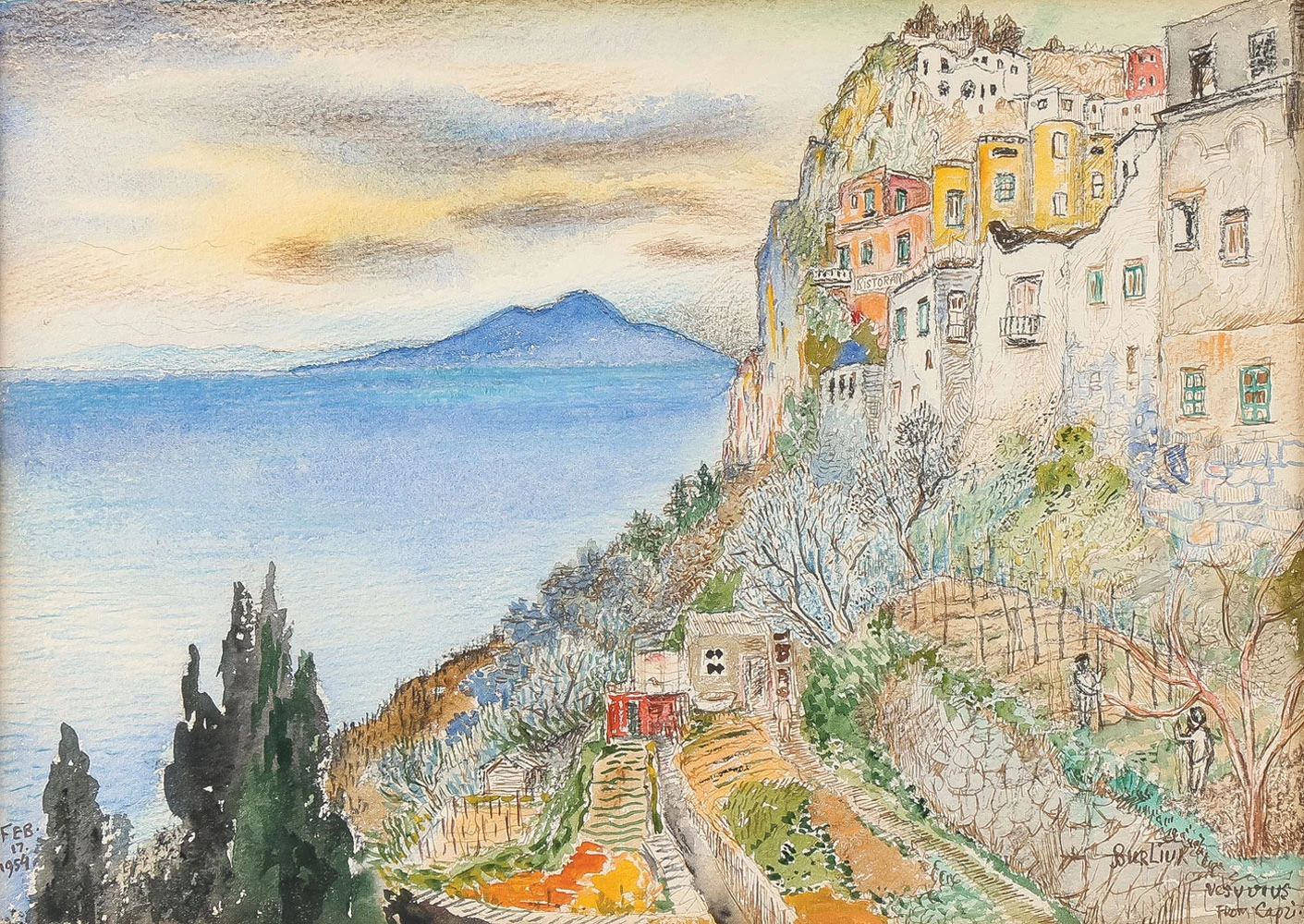
Vesuvius from the Island of Capri, watercolor, 17 February 1954
David Burliuk

Vesuvius from the Island of Capri

1954

29 × 39 cm

Watercolor

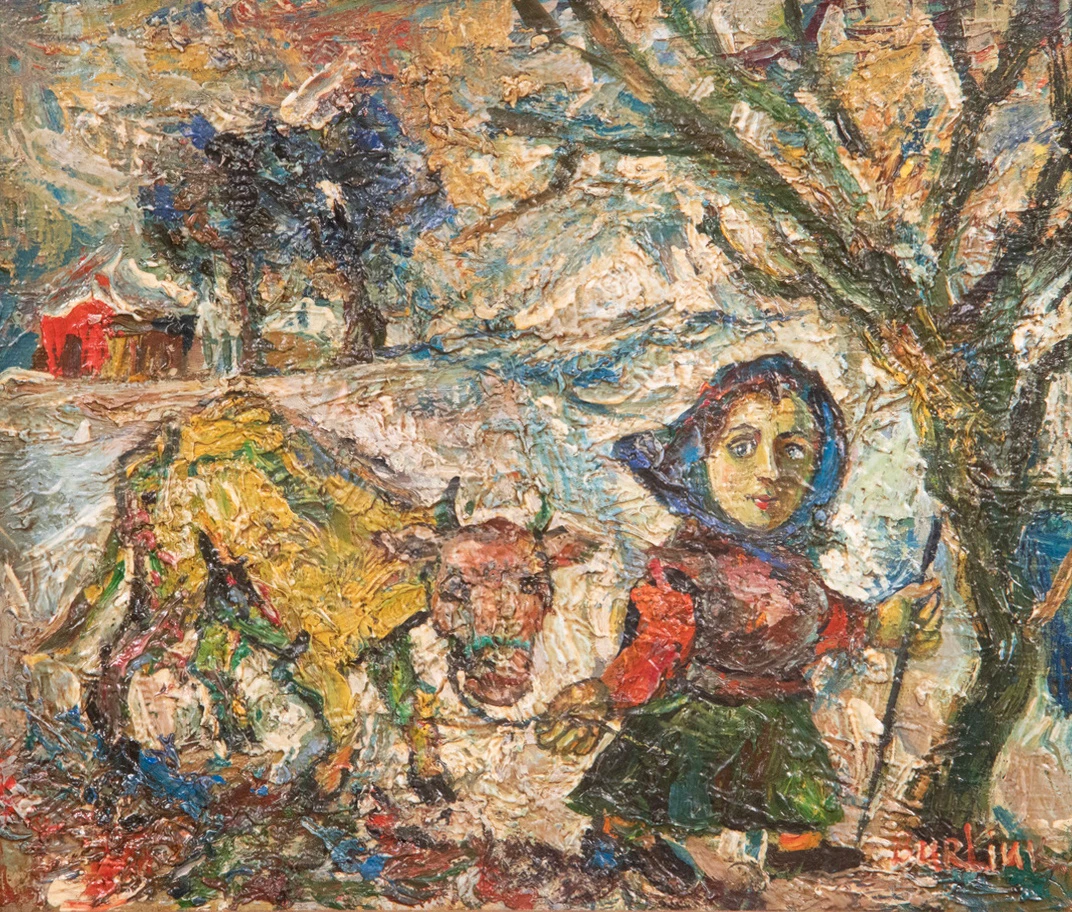
Woman with Cow Passing Tree, oil on canvas, c. 1940s
David Burliuk

Woman with Cow Passing Tree

c. 1940s

25.4 × 30.5 cm

Oil on canvas

Join our mailing list for updates about our artists, exhibitions, events, and more.

  • Artists
  • Art Fairs
  • Collecting
  • About
  • Contacts
  • Newsletter
  • Privacy Policy
  • Terms of Use

© VERA 2026