Kyiv, Ukraine
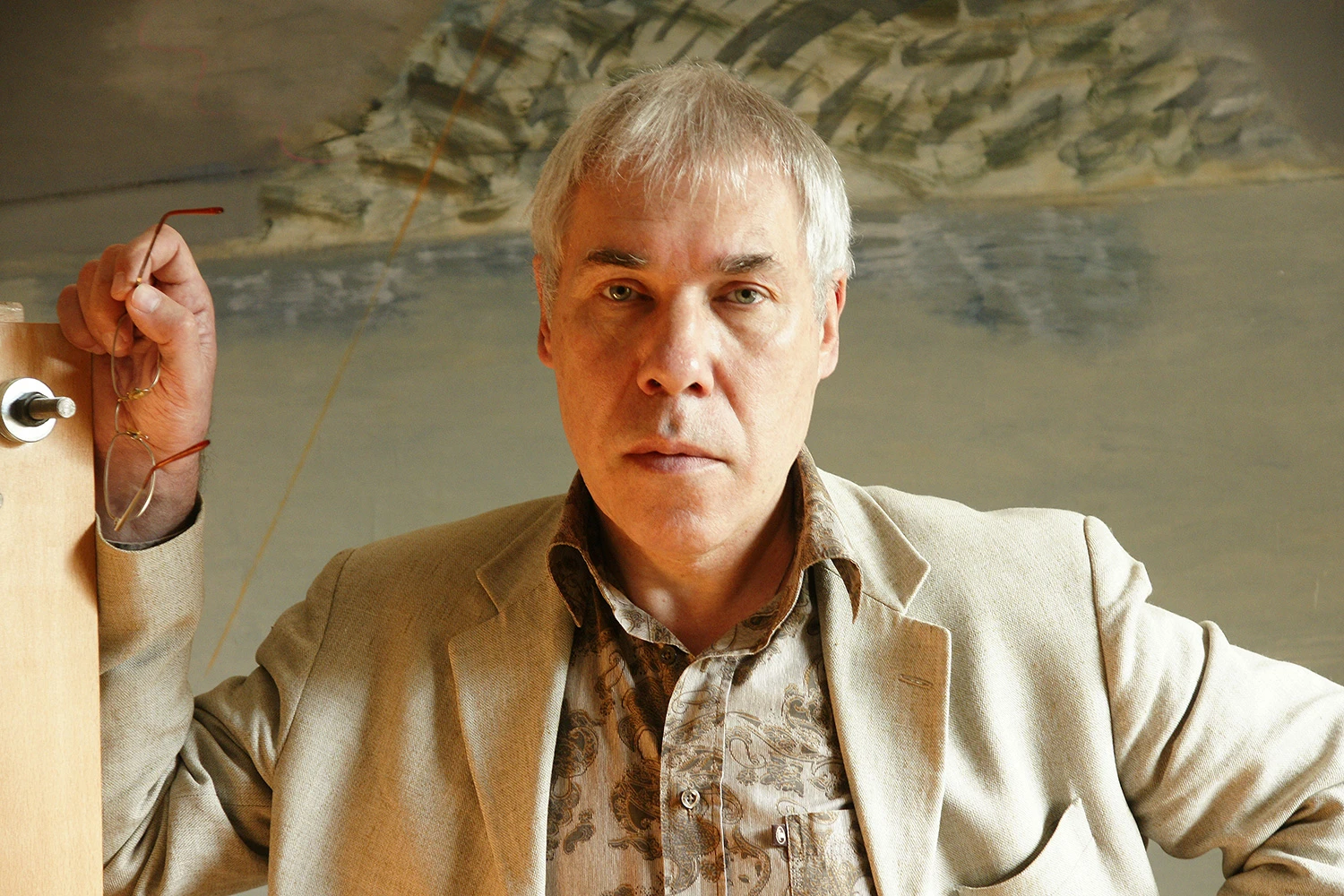
Vasiliy Ryabchenko
1954, Ukraine / USA
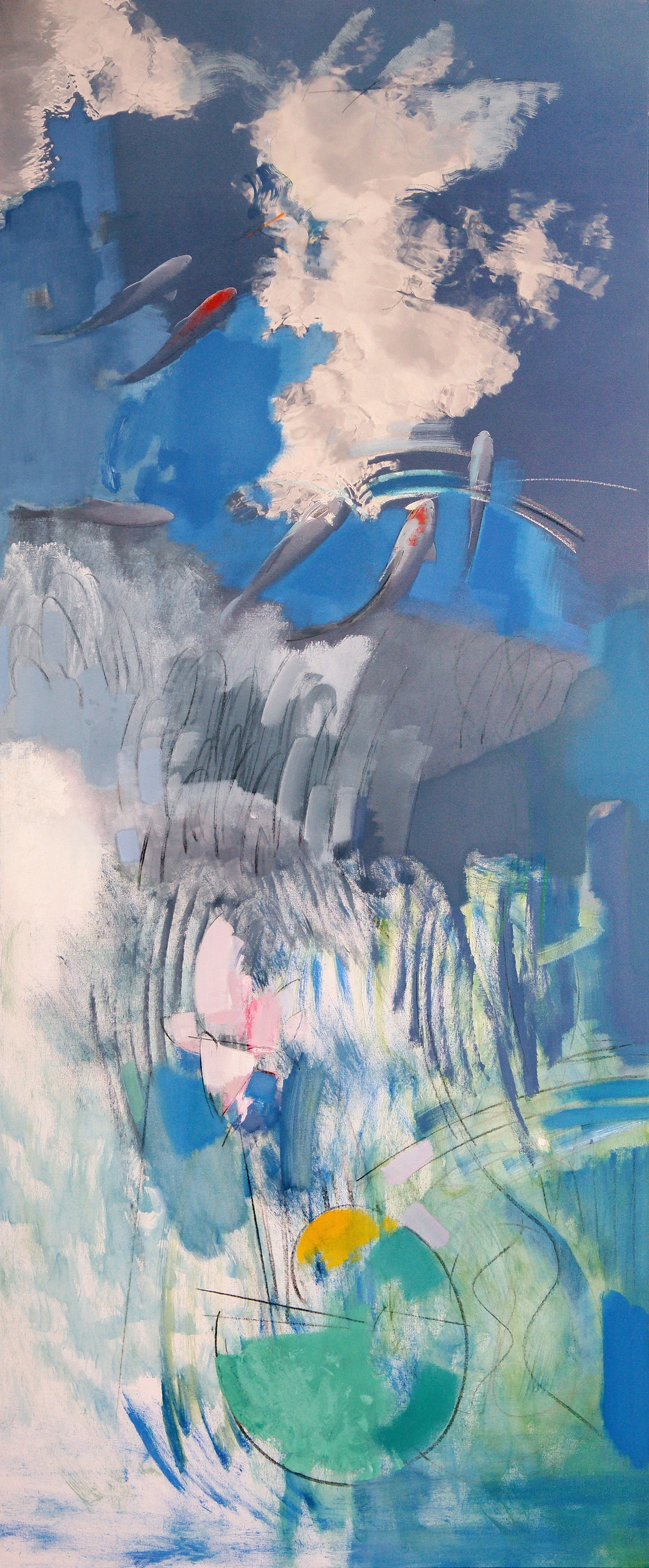
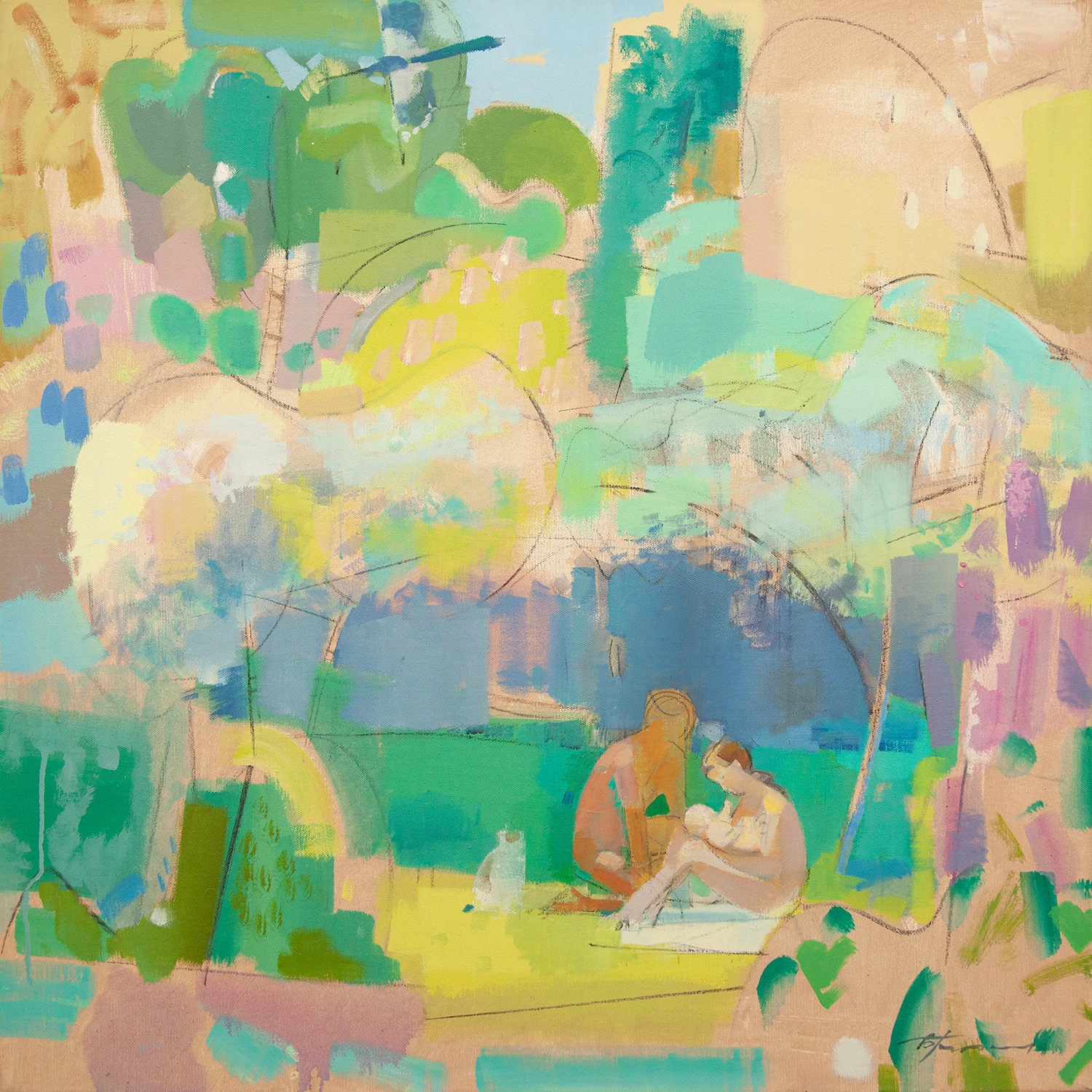
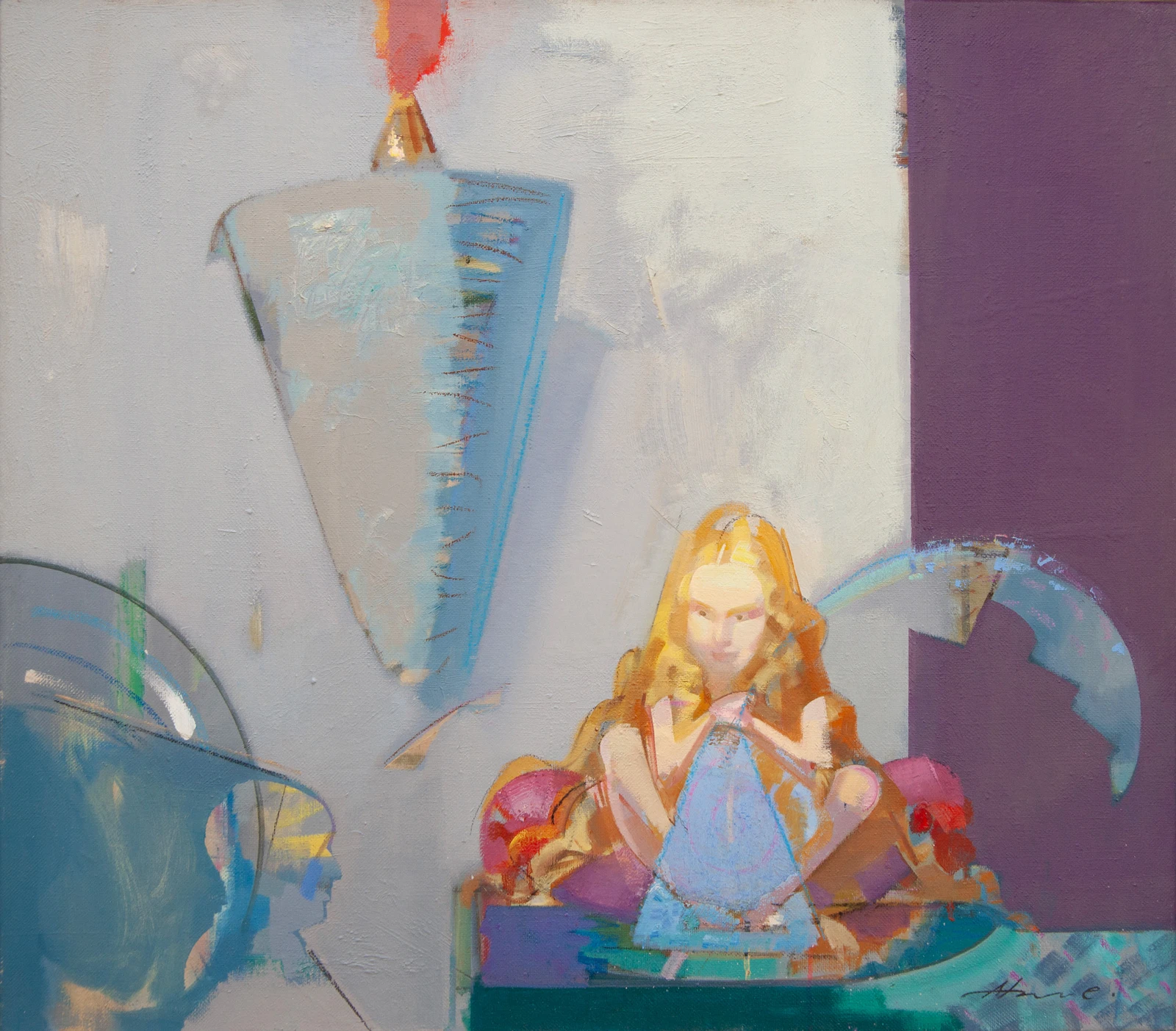
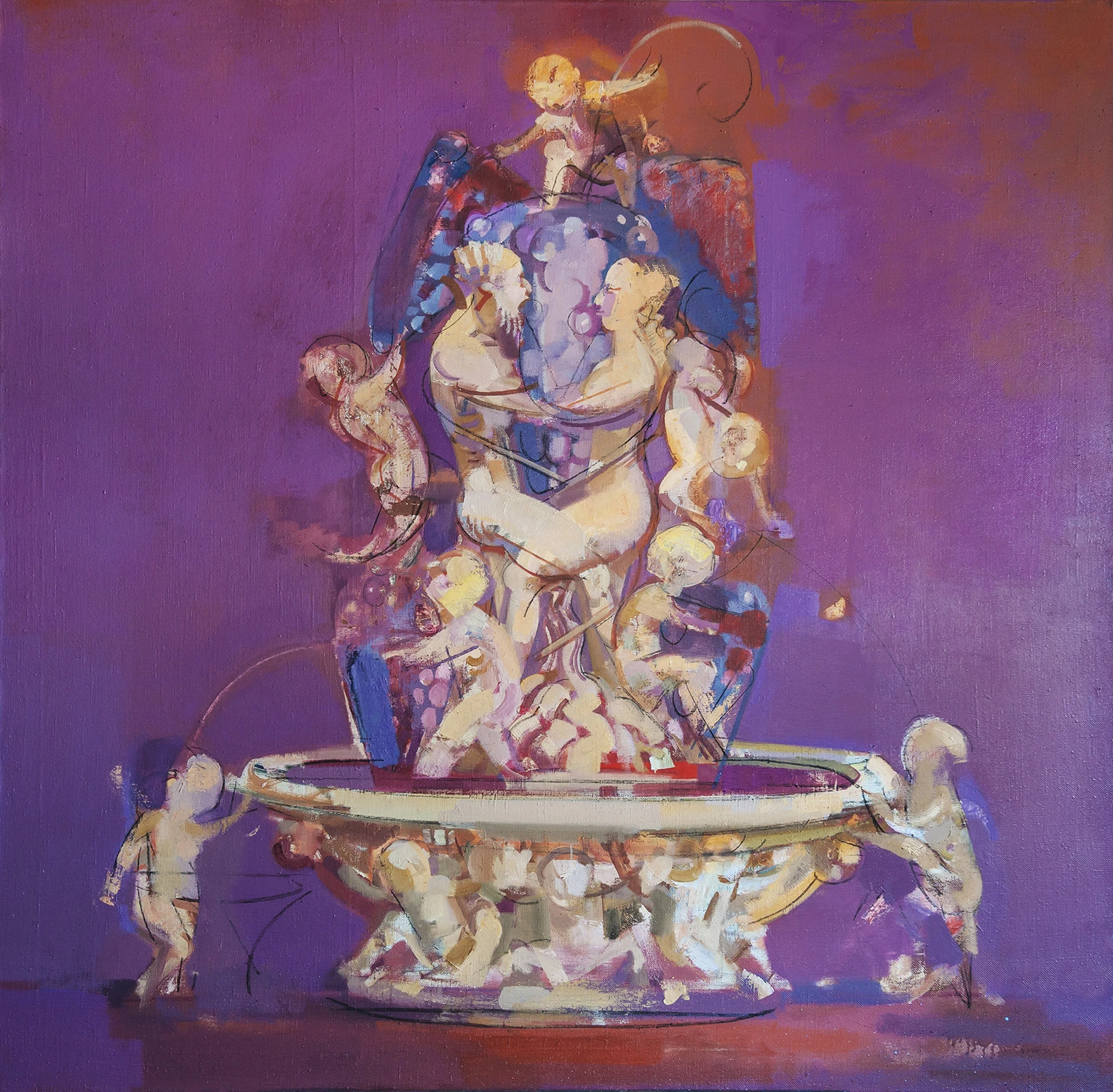
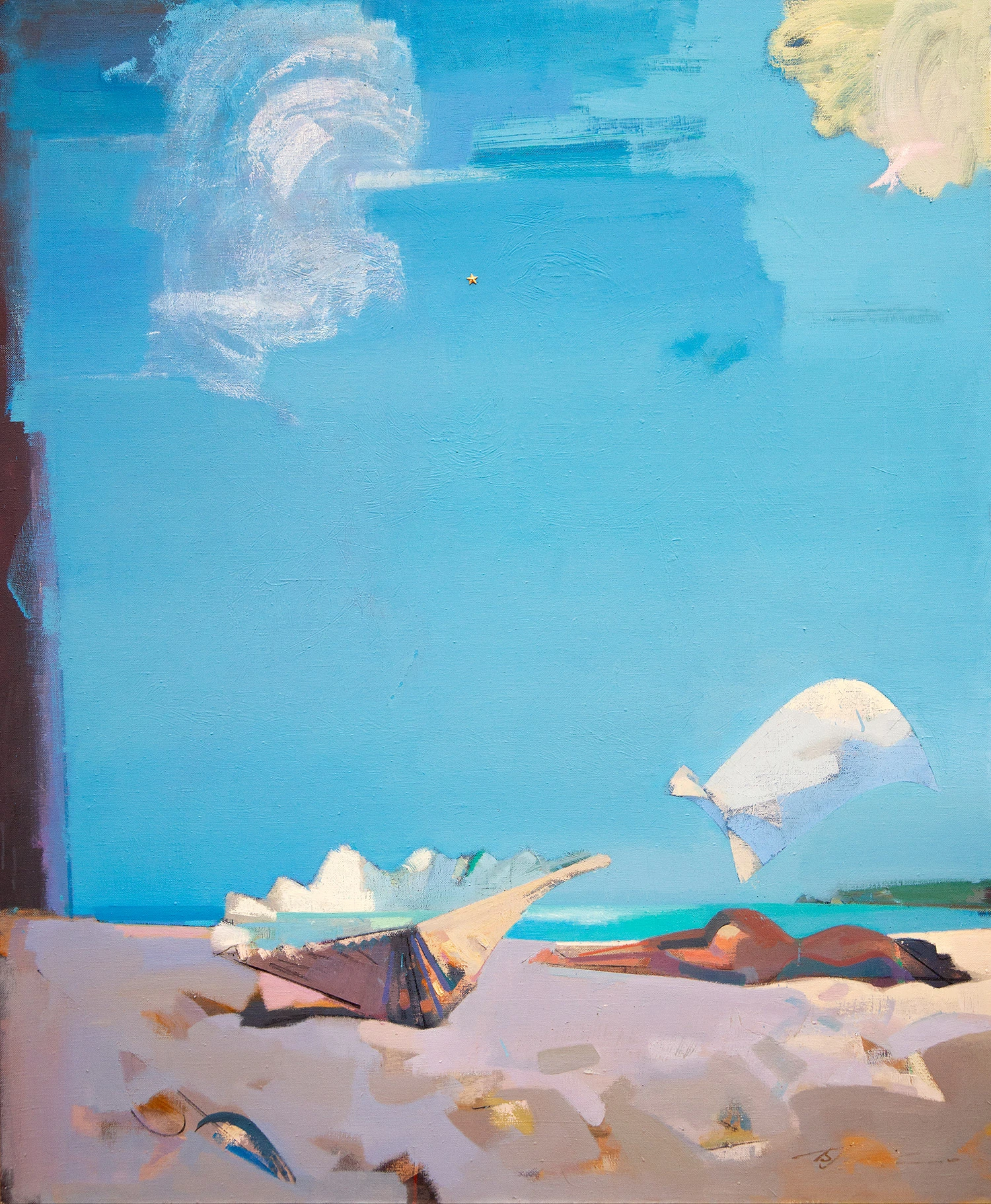
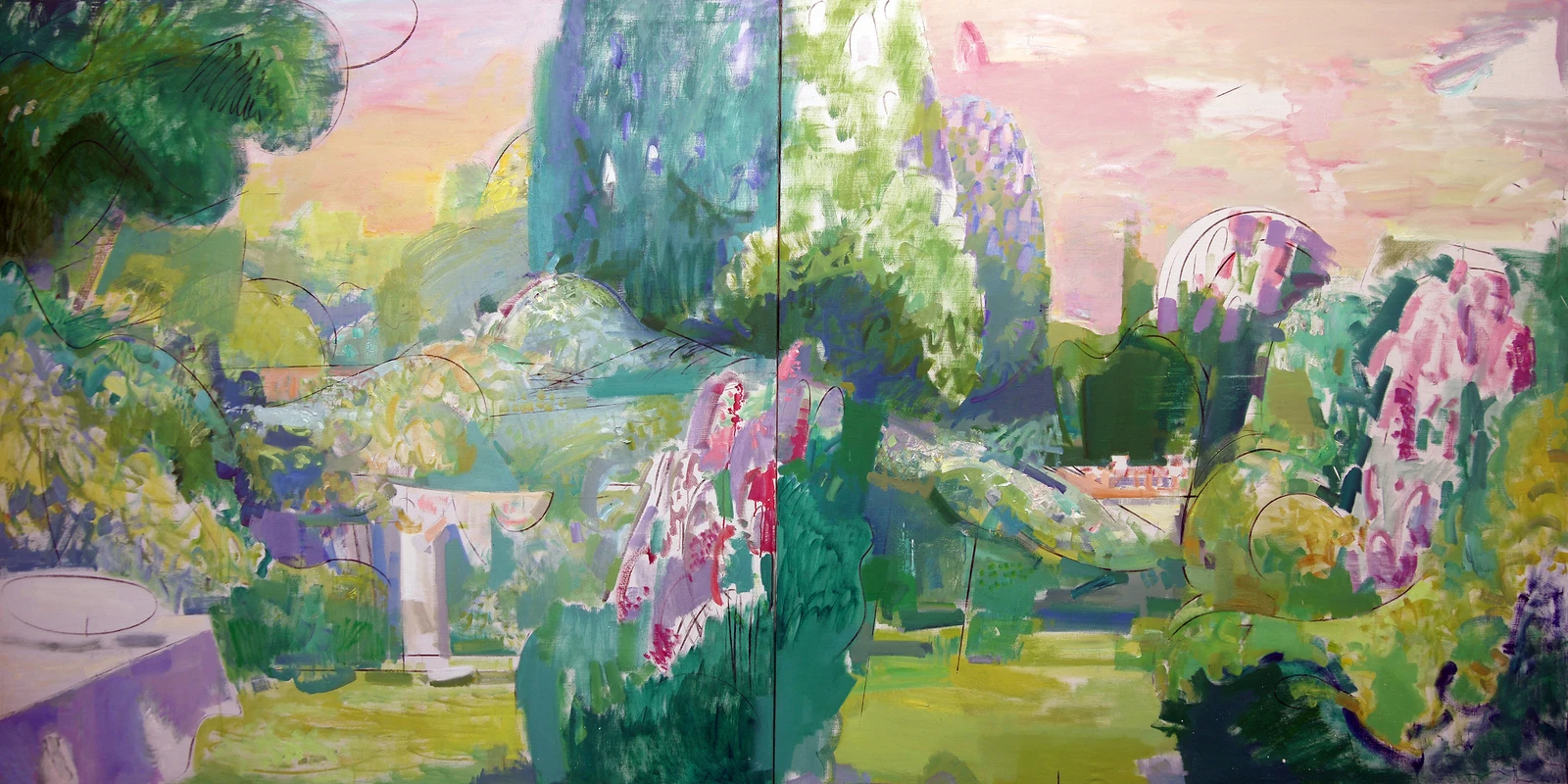
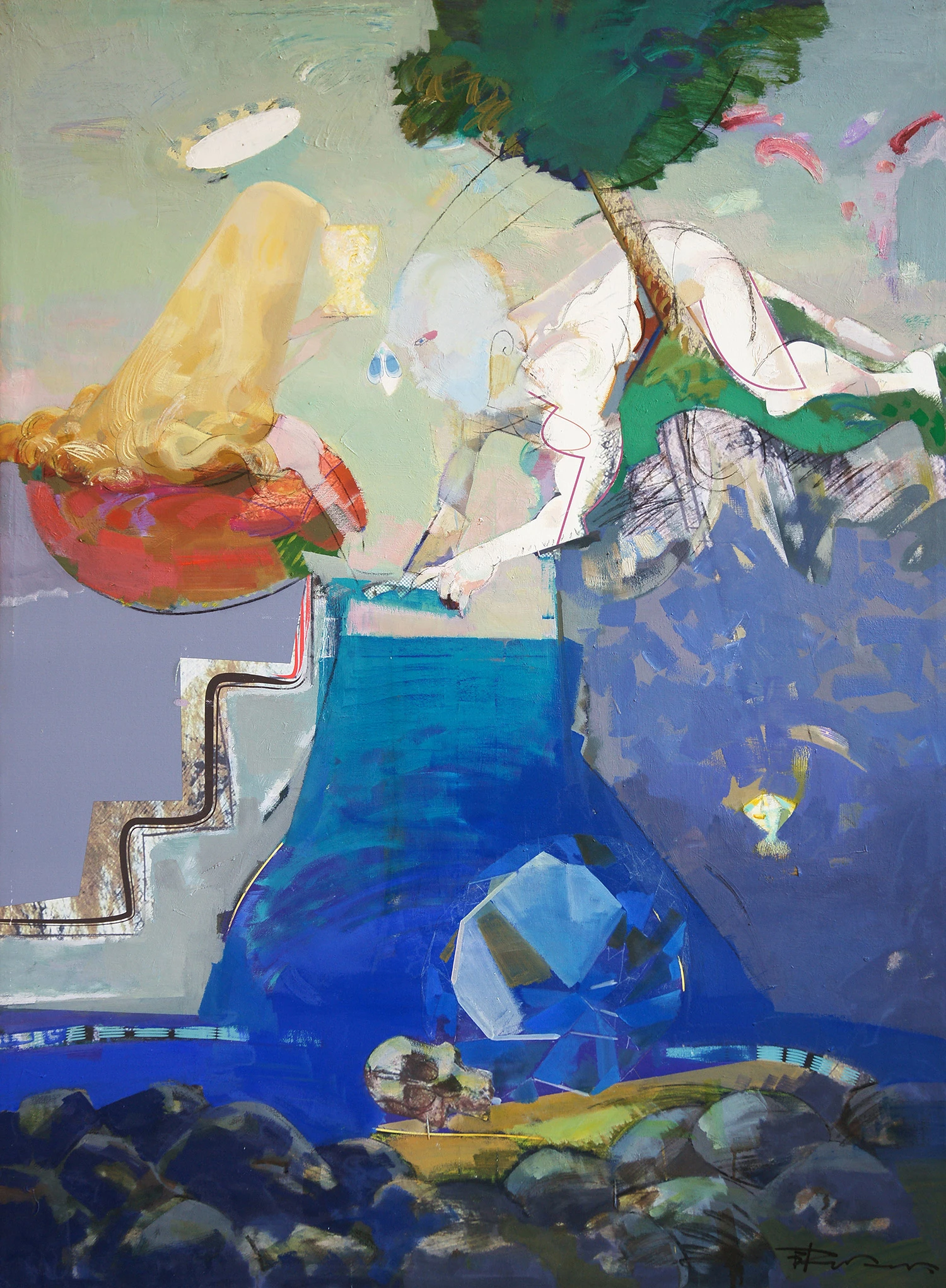
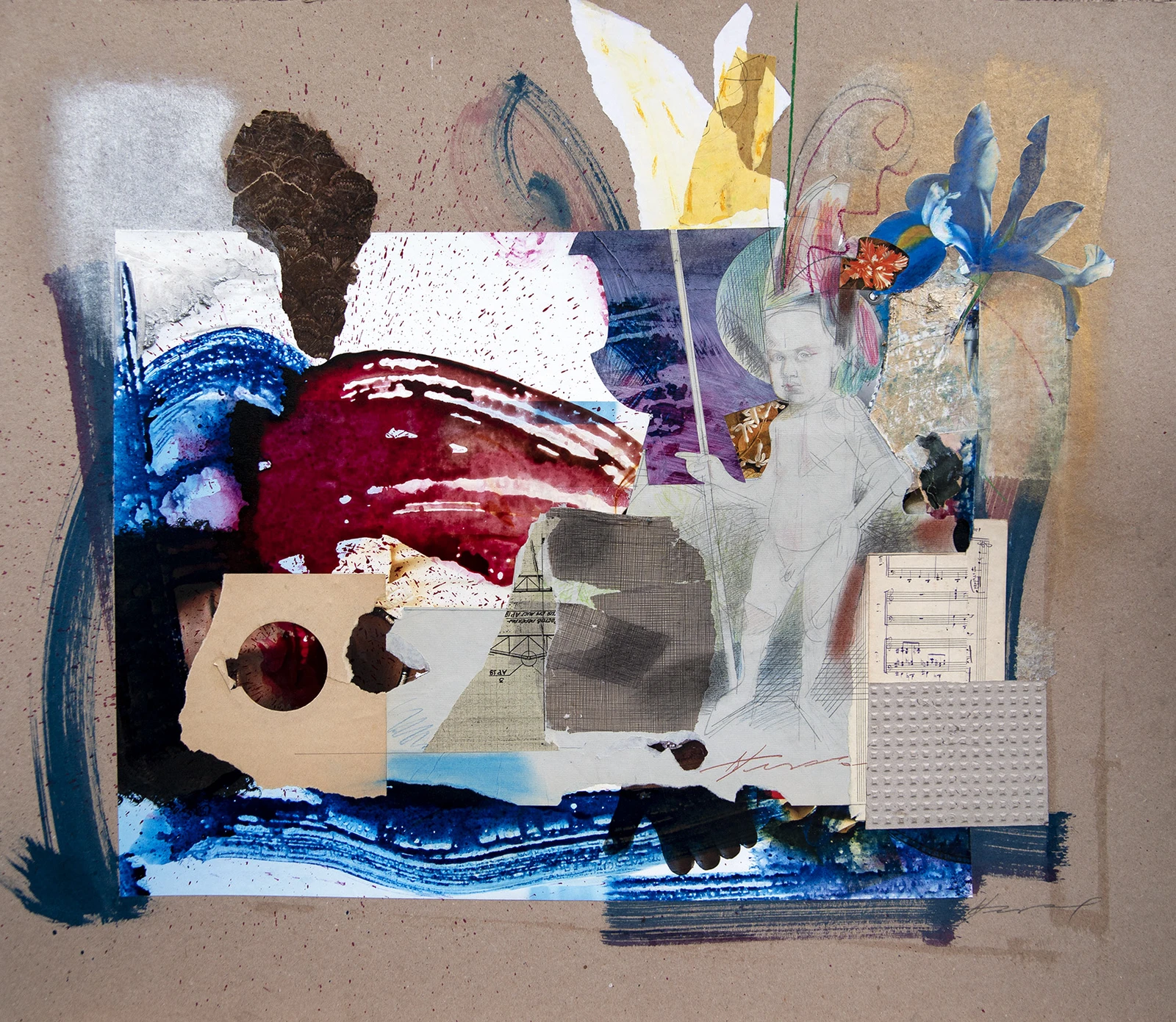
Vasiliy Ryabchenko is one of the leading figures of contemporary Ukrainian art and a prominent representative of the “New Ukrainian Wave.” His multifaceted practice encompasses painting, graphics, collage, photography, digital art, objects, and installation. Ryabchenko’s works form a cohesive artistic universe in which personal mythology and imagination, theatricality and paradoxical imagery, philosophical and conceptual depth, refined aesthetics, and expressive force are intricately interwoven.
In the 1980s and 1990s, Ryabchenko made a significant contribution to the artistic processes that shaped a new visual paradigm in Ukrainian art. His large-scale, richly imaginative paintings became integral to the formation of the “New Ukrainian Wave,” while the artist himself emerged as one of the active initiators of the transformations taking place in Ukrainian contemporary art. Together with a circle of like-minded artists, he helped establish Odesa as one of the key centers of contemporary artistic life in Ukraine.
Ryabchenko was among the first Ukrainian artists of his generation to turn to installation art. His Swing for Stumps (1993), presented in Jerzy Onuch’s curatorial project The Steppes of Europe at the Ujazdowski Castle Centre for Contemporary Art in Warsaw, occupies an important place in the history of Ukrainian installation. He subsequently created such projects as Big Bambi (1994), A Tribute to Madame Récamier (1994), and Princess (1996), in which painting, objects, light, and scenography merge into a unified artistic statement.
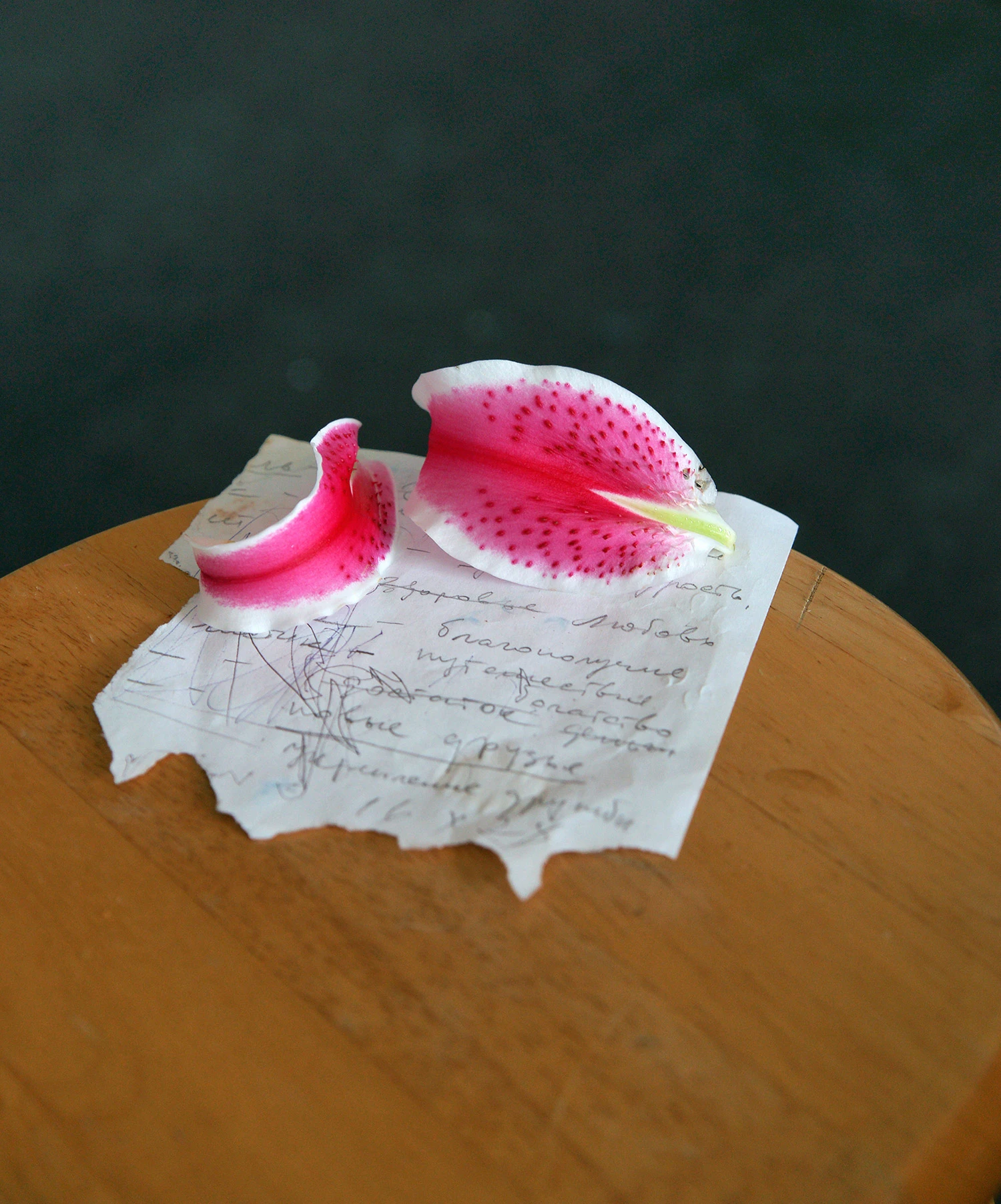
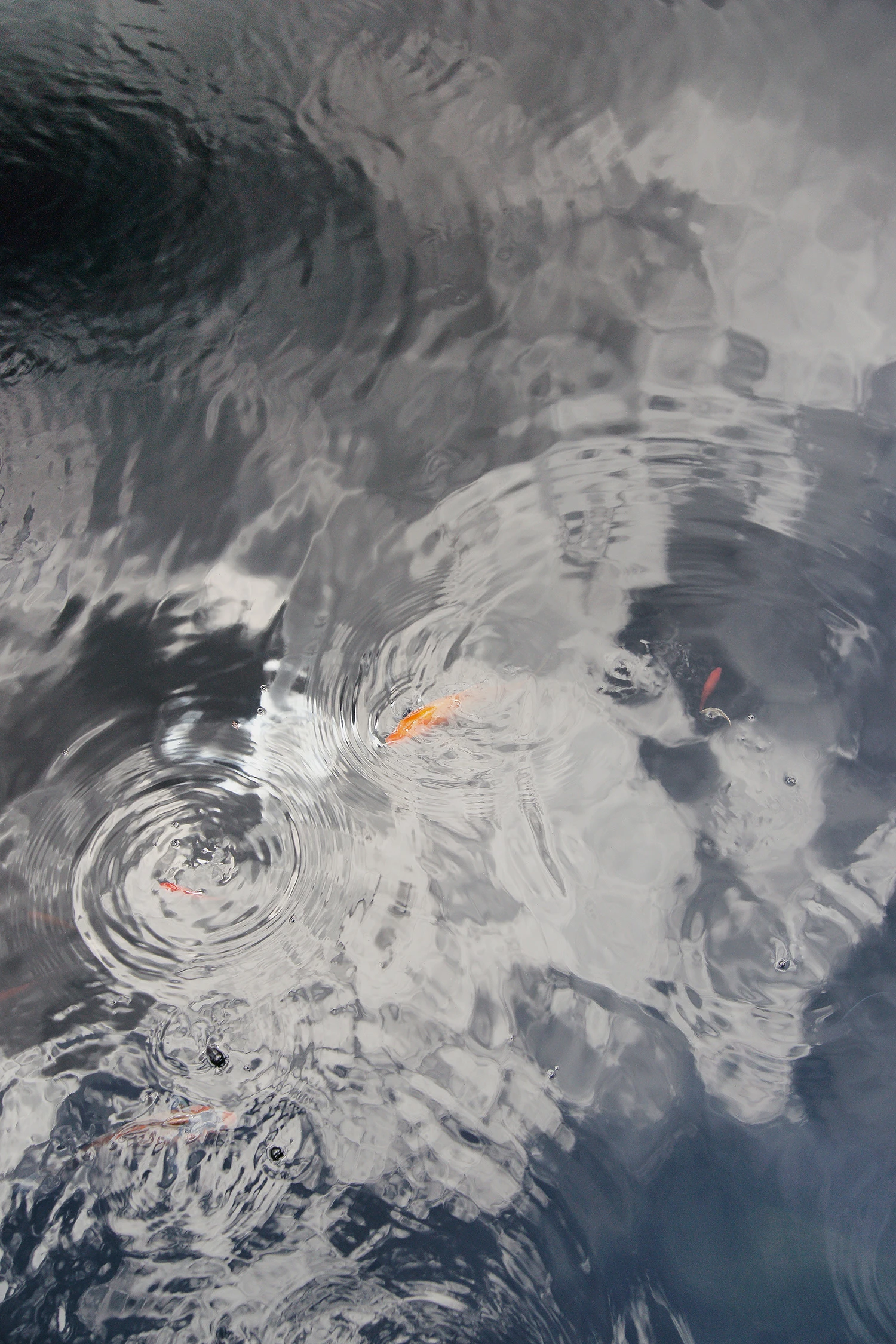
In parallel, Ryabchenko developed a sustained photographic practice that originated in his experiments of the 1970s. Among its key manifestations are Naked Dream and The Others (1995), projects in which photography acquires a distinctly painterly plasticity and becomes a medium of conceptual expression. The Naked Dream series, created in Odesa in 1995 and presented at Blank Art Gallery in Kyiv in 1996, became one of the defining photographic projects of his practice. That year, it brought Ryabchenko the award and title “Best Artist of Ukraine” at the All-Ukrainian Art Festival Golden Section at Ukrainian House in Kyiv. Also in 1996, he founded the creative association Art Laboratory, an initiative that contributed to the development of Odesa’s contemporary art environment.
Throughout the late 1980s, the 1990s, and the early 2000s, Ryabchenko participated in many of the exhibitions and conceptual projects that accompanied the emergence of contemporary Ukrainian art. His work has continued to appear in important exhibitions in Ukraine and internationally, reflecting sustained interest in an artist whose practice spans several decisive transformations in Ukrainian visual culture.
His works are held in major public collections in Ukraine and abroad. In Kyiv, these include the National Art Museum of Ukraine, the Museum of Contemporary Art of Ukraine, the collection of the Ministry of Culture of Ukraine, the Exhibition Directorate of the National Union of Artists of Ukraine, and the Soviart Center for Contemporary Art. In Odesa, his works are represented in the Odesa Fine Arts Museum and the Museum of Odesa Modern Art. Further institutional holdings include the Korsaks’ Museum of Contemporary Ukrainian Art in Lutsk, the Nikanor Onatsky Sumy Regional Art Museum, the Hryhoriy Galagan Chernihiv Regional Art Museum, the Cherkasy Regional Art Museum, and the Zaporizhzhia Art Museum. Internationally, his work is represented, among other collections, in the Zimmerli Art Museum at Rutgers University in New Jersey.
As art historian Galyna Sklyarenko has emphasized, Ryabchenko’s practice occupies a particularly important position within the history of the “New Ukrainian Wave”: a movement that brought postmodern strategies, new imagery, irony, quotation, and artistic freedom into Ukrainian painting. Her recent academic study specifically uses Ryabchenko’s work to examine the transformation of Ukrainian painting at the end of the Soviet period and the beginning of the post-Soviet era.
Across painting, photography, installation, and new media, Vasiliy Ryabchenko has developed one of the most distinctive artistic languages to emerge from late twentieth-century Ukraine. Combining visual sophistication with irony, mythology, theatricality, and conceptual freedom, his practice bridges the formative moment of the New Ukrainian Wave with the continuing history of contemporary Ukrainian art.
Art Fairs
1